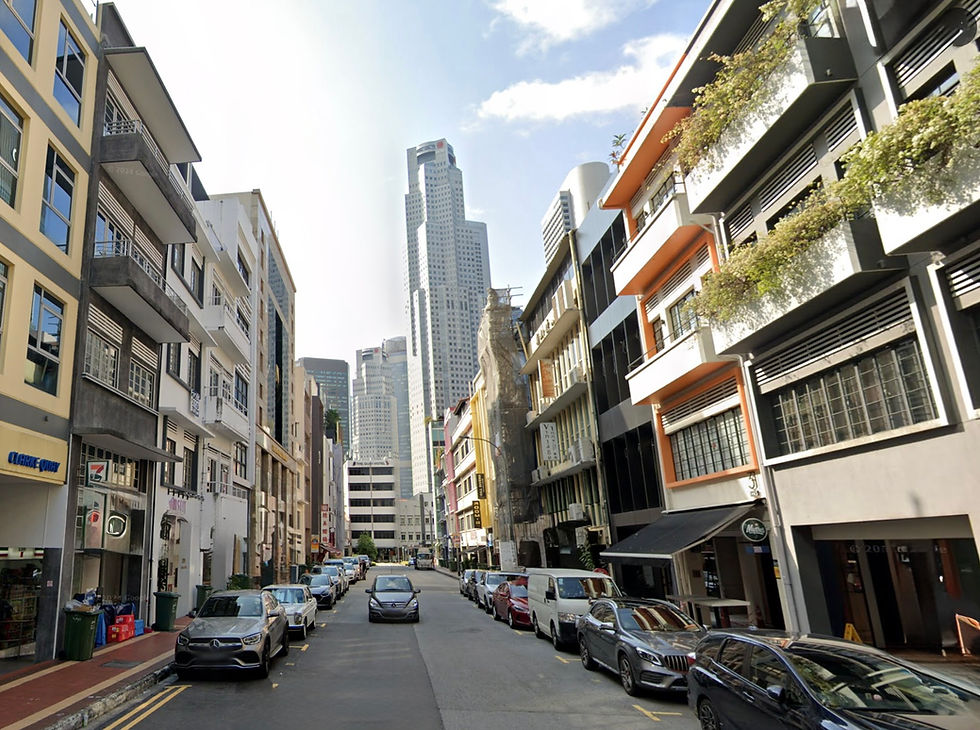
Conservation vs Non-Conservation Shophouses: What’s the Difference and Which One Should You Invest In

Updated: Sep 14, 2025
In Singapore’s unique real estate landscape, shophouses hold a special place—not only for their architectural charm but also for their investment potential.
However, not all shophouses are created equal. Broadly, they fall into two categories: conservation shophouses and non-conservation shophouses. If you're considering investing in one, understanding the key differences between them is crucial.
Let’s break down the distinctions, along with the pros and cons of each.

What is a Conservation Shophouse?
A conservation shophouse is a property officially gazetted by the Urban Redevelopment Authority (URA) to preserve its historical, architectural, and cultural significance. These buildings are protected under conservation guidelines, meaning owners must retain the key architectural features, particularly the façade.
As of today, Singapore has over 6,500 conserved shophouses, located primarily in heritage-rich districts such as:
Chinatown
Kampong Glam
Little India
Telok Ayer
Boat Quay
Joo Chiat
Blair Plain
🔍 Key Criteria for URA Conservation of Shophouses
Architectural Significance
The building must possess distinctive architectural features representative of a historical period or style (e.g., Early, Transitional, Late, Art Deco).
Facade elements like decorative plasterwork, traditional timber windows, columns, and roof profiles are often key.
Historical Value
URA assesses the building's age and historical role in Singapore's urban development.
Shophouses in historically significant precincts like Chinatown, Joo Chiat, Kampong Glam, or Little India often have higher conservation value.
Streetscape and Urban Fabric
A group of shophouses may be conserved together if they form a consistent and cohesive historical streetscape.
Conservation often applies to entire rows or clusters to preserve the urban character.
Rarity and Cultural Identity
If the building type or style is rare and contributes to Singapore’s cultural heritage, it is more likely to be conserved.
Conservation supports national identity and tourism objectives.
Structural Integrity and Potential for Adaptive Reuse
The building must be structurally viable for restoration or adaptive reuse (e.g., F&B, boutique offices, residences).
Buildings that can be repurposed while retaining their heritage value are preferred.
Pros of Conservation Shophouses
Prestige & Rarity: Limited in number, they’re considered trophy assets, often purchased by high-net-worth individuals (HNWIs), family offices, and institutional investors.
Capital Appreciation: Due to scarcity and their iconic value, conserved shophouses in prime districts have shown strong long-term appreciation.
Rental Potential: Popular with boutique F&B, lifestyle brands, and co-working tenants who seek character spaces.
Heritage Charm: Their architectural uniqueness makes them stand out in a modern cityscape.
Cons of Conservation Shophouses
Strict Guidelines: Renovations must comply with URA conservation rules, especially the façade, roof, and key interior elements.
Higher Maintenance: Older buildings require more upkeep, often needing restoration with traditional materials.
Less Redevelopment Flexibility: You can’t tear down or extensively redevelop to maximise built-up area.
Higher entry price: In many cases, the conservation had a higher entry compare with non-conservation.

What is a Non-Conservation Shophouse?
A non-conservation shophouse resembles a traditional shophouse in layout and style but is not protected under URA’s conservation regulations. This means owners have more flexibility in modifying or redeveloping the property, subject to regular planning and building regulations. There are Many of these non-conservation shophouses are 3 to 4 storeys tall and come with freehold tenure. You can typically identify them by their modern concrete facades, non-decorative exteriors, and absence of timber windows.
You’ll typically find non-conserved shophouses in private estates, less historic neighbourhoods, or areas with mixed zoning.
Pros of Non-Conservation Shophouses
Design Flexibility: Owners can upgrade, extend, or rebuild (subject to URA planning rules).
Lower Entry Cost: Generally more affordable than conservation units in the same vicinity.
Creative Use: Ideal for investors who want to repurpose or redevelop the site for alternative use.
Cons of Non-Conservation Shophouses
Lacks Heritage Appeal: Might not command the same premium rental or resale value.
More Competition: These shophouses don’t stand out as much in the market.
Not as Scarce: Without conservation status, these units may be more common, limiting price escalation based on rarity.
Key Differences at a Glance
Feature | Conservation Shophouse | Non-Conservation Shophouse |
URA Protection | Yes | No |
Modification Restrictions | Strict (especially façade) | More flexible |
Architectural Character | Historical, ornate | Varies; may be modernised |
Redevelopment Potential | Limited | Higher (can rebuild or extend) |
Heritage Value | High | Low to moderate |
Location | Prime heritage areas | Island-wide, more varied |
Investor Demand | High from HNWIs and funds | More local/private demand |
Conclusion: Which is Right for You?
If you’re looking for prestige, long-term capital preservation, and a piece of Singapore’s heritage, a conservation shophouse in a prime district may be worth the premium.
On the other hand, if you want flexibility, lower upfront costs, or plan to rebuild for higher returns, a non-conservation shophouse may better suit your investment strategy.
Both types of shophouses serve different investor profiles—and in the right hands, both can be rewarding.
Wanted to Explore Conservation Shophouse Investment?
Unlike any other property investment, navigating the shophouse market takes expertise — from understanding zoning laws to how the performance of which district and selecting high-growth districts. Uncovered the secrets of conservation shophouse investment.
Subscribe To Our Newsletter - Gain valuable insights and data-backed analysis to deepen your understanding of shophouse investments. With over a decade of experience, I help owners market their shophouses and guide buyers and investors in securing the right property to meet their goals and budget. Feel free to reach out with any questions or enquiries.